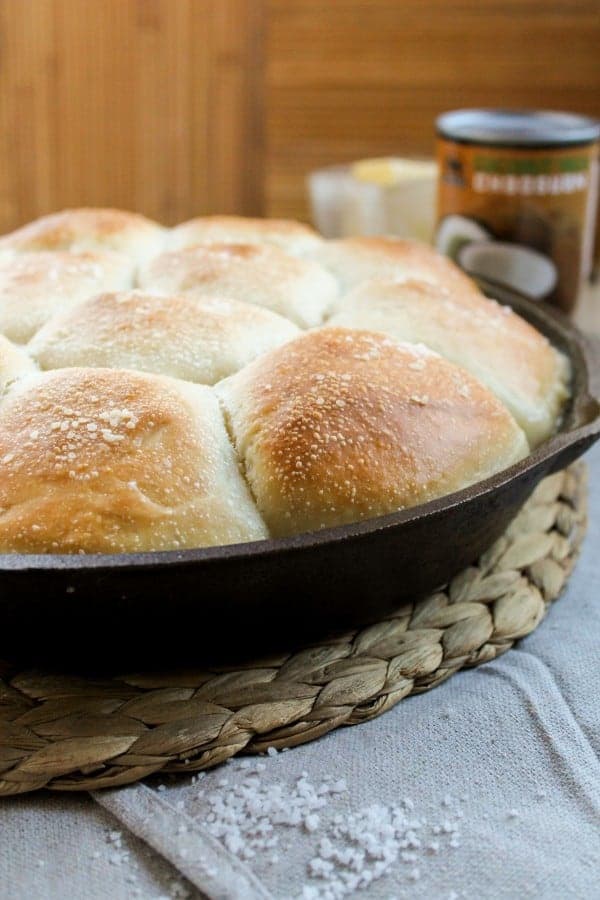
Samoan Coconut Rolls (Pani Popo) and Why They Bake in a Pool of Coconut Milk
Sign in to see ingredients
Create a free account to unlock this content
Don't have an account? Sign up free
Per serving
Calculating nutrition...
- 1
Wake up the yeast
In a stand mixer bowl (or a large bowl), stir the active dry yeast into the 3 tablespoons of warm water — aim for 105–115°F, warm like a baby bottle, never hot. That temperature window is the sweet spot where yeast metabolizes fast without cooking itself; above ~130°F you start killing the cells. Set it aside and let it get frothy, which is your proof the yeast is alive and hungry.
- 2
Build the enriched liquid
Shake the can of coconut milk well, then pour 1 cup of it into a large measuring cup and add the salted butter. Microwave a minute or two until the butter is about halfway melted, then stir in the sugar and salt until the butter finishes melting. Let it cool to just warm. This is an enriched dough — the fat from the coconut milk and butter coats the flour proteins so gluten forms shorter, softer strands, which is exactly why these rolls turn out pillowy instead of chewy.
- 3
Add egg and powdered milk
Once the coconut mixture is no longer hot (so you don't scramble anything), whisk in the egg quickly to keep it from curdling, then whisk in the powdered milk. That powdered milk is a quiet workhorse: the milk proteins strengthen the dough and the lactose helps the crust brown, while the fat keeps the crumb tender. Pour this mixture into the frothy yeast.
- 4
Mix and knead
Stir everything together, then add the 3½ cups of all-purpose flour and mix. Add a little more flour only if needed — you want a soft, sticky dough that doesn't quite pull away from the bowl, not a dry one. Knead for a full 8 minutes (mixer on low or by hand). You're aligning those gluten proteins into a stretchy web that will trap gas; with an enriched dough the fat slows that development, so don't cut the knead short.
- 5
First rise
Place the dough in a greased bowl, turning once to coat, cover, and let it rise in a warm, draft-free spot for 1½ to 2 hours. Enriched doughs rise more slowly than lean ones because all that sugar and fat weighs down the gluten and competes with the yeast for water — so be patient. It may not fully double, but it should visibly puff and feel alive.
- 6
Shape the rolls
Punch the dough down to release the big gas bubbles for an even crumb, then divide it into 12 equal pieces and roll each into a smooth ball. Nestle them into a greased 12-inch round pan or cast-iron skillet (a 9x13 works too). Keeping them close together means they rise up and into each other, giving you those soft, tear-apart sides.
- 7
Second rise and the coconut pool
Let the rolls rise another 45 minutes to an hour until puffy, and heat the oven to 350°F. Here's the signature Pani Popo move: brush the tops generously with the leftover coconut milk, then pour the rest of the can right into the pan around the rolls — all of it. Optionally sprinkle with coarse sugar or salt. As they bake, the rolls drink up that liquid from the bottom while the sugars and coconut on top caramelize, so you get a custardy, sweet base and a lacquered golden top.
- 8
Bake
Bake at 350°F for 20 to 25 minutes, until the tops are deep golden brown and the coconut milk in the pan has thickened into a glaze clinging to the rolls. The browning is Maillard and caramelization working together on the milk sugars and proteins. Let them cool slightly so the glaze sets, then serve warm.
Sign in to see all instructions
Create a free account to unlock this content
Don't have an account? Sign up free
Samoan Coconut Rolls (Pani Popo) and Why They Bake in a Pool of Coconut Milk
Created by: TheBreadNerd
Ingredients
- 1 tbsp active dry yeast
- 3 tbsp water
- 14 oz coconut milk
- 4 tbsp salted butter
- 1/2 cup sugar
- 1/2 tsp salt
- 1 egg
- 1/4 cup powdered milk
- 3 1/2 cup all-purpose flour
Instructions
- Wake up the yeastIn a stand mixer bowl (or a large bowl), stir the active dry yeast into the 3 tablespoons of warm water — aim for 105–115°F, warm like a baby bottle, never hot. That temperature window is the sweet spot where yeast metabolizes fast without cooking itself; above ~130°F you start killing the cells. Set it aside and let it get frothy, which is your proof the yeast is alive and hungry.
- Build the enriched liquidShake the can of coconut milk well, then pour 1 cup of it into a large measuring cup and add the salted butter. Microwave a minute or two until the butter is about halfway melted, then stir in the sugar and salt until the butter finishes melting. Let it cool to just warm. This is an enriched dough — the fat from the coconut milk and butter coats the flour proteins so gluten forms shorter, softer strands, which is exactly why these rolls turn out pillowy instead of chewy.
- Add egg and powdered milkOnce the coconut mixture is no longer hot (so you don't scramble anything), whisk in the egg quickly to keep it from curdling, then whisk in the powdered milk. That powdered milk is a quiet workhorse: the milk proteins strengthen the dough and the lactose helps the crust brown, while the fat keeps the crumb tender. Pour this mixture into the frothy yeast.
- Mix and kneadStir everything together, then add the 3½ cups of all-purpose flour and mix. Add a little more flour only if needed — you want a soft, sticky dough that doesn't quite pull away from the bowl, not a dry one. Knead for a full 8 minutes (mixer on low or by hand). You're aligning those gluten proteins into a stretchy web that will trap gas; with an enriched dough the fat slows that development, so don't cut the knead short.
- First risePlace the dough in a greased bowl, turning once to coat, cover, and let it rise in a warm, draft-free spot for 1½ to 2 hours. Enriched doughs rise more slowly than lean ones because all that sugar and fat weighs down the gluten and competes with the yeast for water — so be patient. It may not fully double, but it should visibly puff and feel alive.
- Shape the rollsPunch the dough down to release the big gas bubbles for an even crumb, then divide it into 12 equal pieces and roll each into a smooth ball. Nestle them into a greased 12-inch round pan or cast-iron skillet (a 9x13 works too). Keeping them close together means they rise up and into each other, giving you those soft, tear-apart sides.
- Second rise and the coconut poolLet the rolls rise another 45 minutes to an hour until puffy, and heat the oven to 350°F. Here's the signature Pani Popo move: brush the tops generously with the leftover coconut milk, then pour the rest of the can right into the pan around the rolls — all of it. Optionally sprinkle with coarse sugar or salt. As they bake, the rolls drink up that liquid from the bottom while the sugars and coconut on top caramelize, so you get a custardy, sweet base and a lacquered golden top.
- BakeBake at 350°F for 20 to 25 minutes, until the tops are deep golden brown and the coconut milk in the pan has thickened into a glaze clinging to the rolls. The browning is Maillard and caramelization working together on the milk sugars and proteins. Let them cool slightly so the glaze sets, then serve warm.